(Image by Canva)
April is Sexual Assault Awareness Month, which was launched or “created” by the National Sexual Violence Resource Center, and it’s very important that people feel comfortable in speaking out about their experiences. In general, sexual assault is a topic that often goes untalked about, which can cause confusion as to what sexual assault actually is. Sexual assault happens when someone either touches another person in a sexual manner without consent or makes another person touch them in a sexual manner without consent (Rape Crisis England and Whales).
Many people in the position of helping these victims emphasize the importance of creating supportive environments. Counselor Karla Jones highlights this by explaining that safe spaces should be essential.
“We as individuals, we have got to figure out how to create safe spaces,” Jones said, “but we also need spaces where genuine help is truly offered for that population of people who are just fearful in saying what has happened to them.”
There is a common misconception that the person who commits an act of sexual assault has to be a random person or that the victim has to be young, but this is wrong. The perpetrator can be anybody: a friend, a family member, a boss, and more. The victim can be a child, an adult, elderly, men, women, and more.
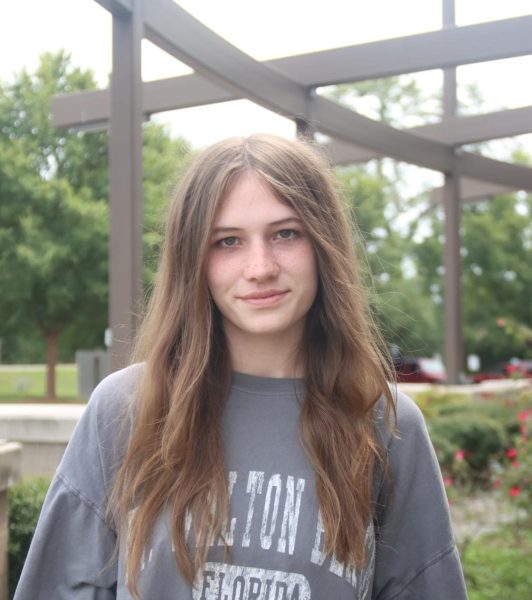
Students also recognize the importance of raising awareness and supporting victims.
“SA awareness month brings attention to a serious issue that happens to people too often and it affects all types of people.” Sophomore Gabriella Cates said. “It helps victims speak out about it, and reminds survivors that they’re not alone.”
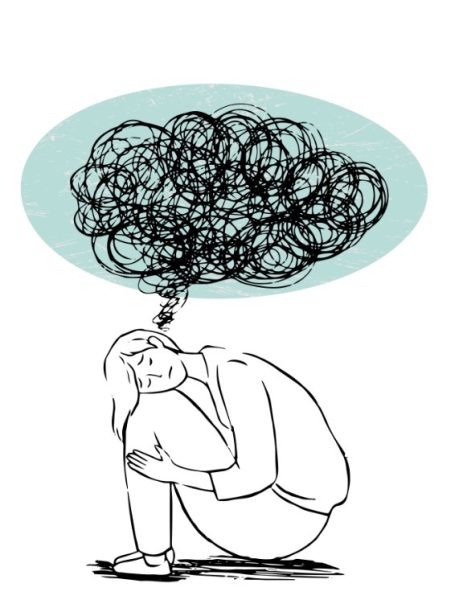
The aftermath of a sexual assault act can leave victims with permanent trauma, PTSD or depression. If you or someone else you know has been assaulted, you are not alone. 1 in 3 women are victims of sexual assault. According to CDC, 1 in 6 men are victims of sexual violence.
If you need help, call the Sexual Assault hotline at 1-800-656-4673 or tell a trusted adult.